SPONSORED ARTICLE

We Spent £1,581 Testing The Top 5 Fitness Trackers of 2026. The £79 Outsider Won.
The newcomer tracks what a £399 watch can't, costs £79 on sale, and runs a month on one charge.
Buying GuidesTrendingBy Marcus Pendleton
Last updated July 18, 2026
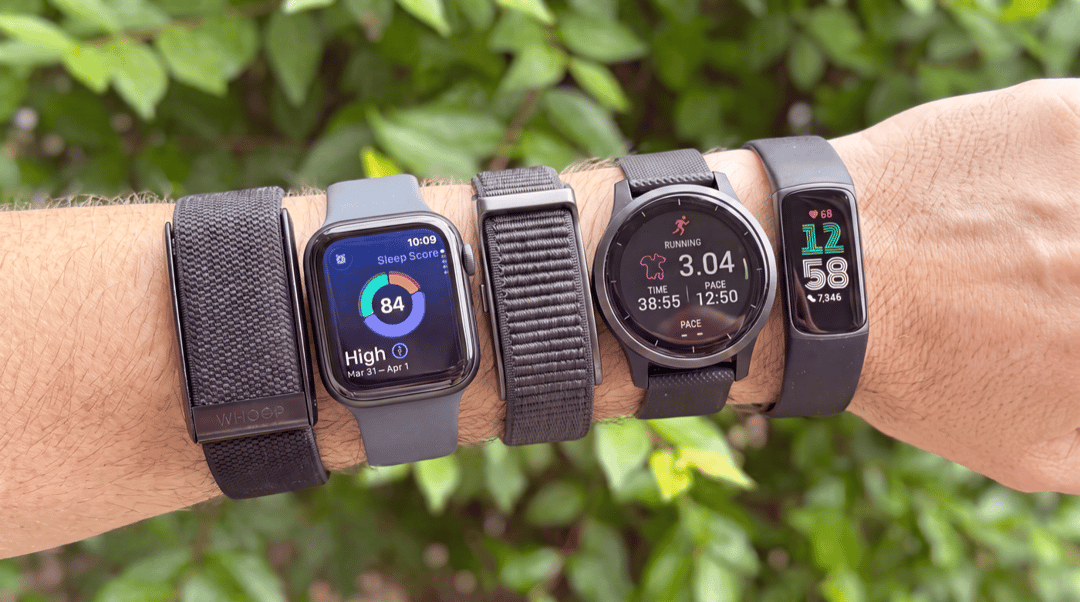
(Image credit: Marcus Pendleton / TechUnboxed)
Looking to accurately track and improve your health?
Want a reliable fitness tracker that follows your blood pressure, heart rate, and sleep without monthly subscriptions?
Searching for a simple, comfortable tracker built for everyday people?
If you nodded yes to any of these, you've come to the right place. We spent £1,581 to properly test the most popular trackers against the new tracker that's going viral in the UK.
Ever since the HLTH Band launched in April, it's been the tracker readers keep asking us about. And I test wearables for a living, so I've learned the hard way that hype and quality are rarely the same thing.
Our testing revealed what many of us already know. Most expensive is not always the best. The newcomer won on the things that matter: data accuracy, battery life, and total cost of ownership, without locking a single feature behind monthly fees.
How we tested: we wore every band day and night for a full month. We compared readings side by side across the same days, logged sleep against how we actually felt each morning, ran every battery flat, added up the true two-year cost of each device including subscriptions, and lived with each one through work, gym sessions, and travel.
The winner: The HLTH Band. The £79 newcomer beat every big name in this test. Here's how all five stack up, and why.
The best picks reviewed by Tech Unboxed
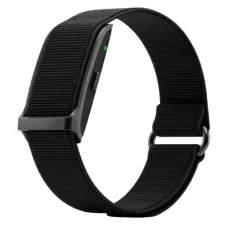
★ BEST OVERALL
1. HLTH Band 1.0
★★★★★ 4.5
✓ No subscription or locked features
✓ Confirmed 30-day battery life
✓ Tracks blood pressure, RHR, HRV & SpO2
✓ Full sleep stages (deep, REM, light)
✓ Multi-wavelength PPG
✓ Adaptive Power Management
✓ Lightweight 18g, screen-free design
✓ Water resistant (1ATM)
✗ New Company – Frequently sold out
✗ No built-in GPS (uses your phone)
★ BEST OVERALL
1. HLTH Band 1.0
OUR SCORE 9.9/10

★★★★★ 4.5
✓ No subscription or locked features
✓ Confirmed 30-day battery life
✓ Tracks blood pressure, RHR, HRV & SpO2
✓ Full sleep stages (deep, REM, light)
✓ Multi-wavelength PPG
✓ Adaptive Power Management
✓ Lightweight 18g, screen-free design
✓ Water resistant (1ATM)
✗ New Company – Frequently sold out
✗ No built-in GPS (uses your phone)
View at HLTH
£79 £158
Delivery 3-5 business days
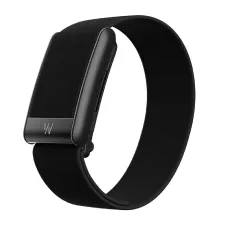
The subscription one
2. Whoop 5.0 Peak
★★★★★ 3.2
✓ Excellent recovery & strain analytics
✓ Comfortable screen-free band
✓ Tracks HRV, sleep & SpO2
✓ Multi-wavelength PPG
✗ £229 per year, every single year
✗ Device stops working if you cancel
✗ Blood pressure locked to £359 tier
✗ Widespread 5.0 heart-rate complaints
2. Whoop 5.0 Peak
OUR SCORE 9.0/10
★★★★★ 3.2
✓ Excellent recovery & strain analytics
✓ Comfortable screen-free band
✓ Tracks HRV, sleep & SpO2
✓ Multi-wavelength PPG
✗ £229 per year, every single year
✗ Device stops working if you cancel
✗ Blood pressure locked to £359 tier
✗ Widespread 5.0 heart-rate complaints
VISIT AMAZON
£229/yr
2-3 Day Prime Delivery
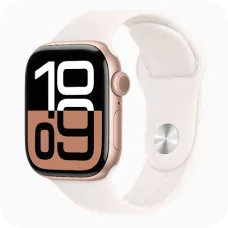
The smartwatch one
3. Apple Watch SE 3
★★★★★ 1.8
✓ Best-in-class app & smart features
✓ Great communication options
✓ Accurate heart rate & built-in GPS
✓ Sleep apnea alerts & wrist temperature
✗ No ECG, no blood oxygen, no BP at all
✗ Needs an iPhone to work
✗ Nightly charging breaks sleep tracking
✗ We found ourselves checking it constantly
3. Apple Watch SE 3
OUR SCORE 7.9/10
★★★★★ 1.8
✓ Best-in-class app & smart features
✓ Great communication options
✓ Accurate heart rate & built-in GPS
✓ Sleep apnea alerts & wrist temperature
✗ No ECG, no blood oxygen, no BP at all
✗ Needs an iPhone to work
✗ Nightly charging breaks sleep tracking
✗ We found ourselves checking it constantly
VISIT AMAZON
£219
7-12 Day Shipping
The sports one
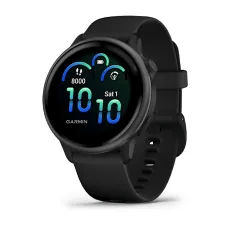
4. Garmin Vivoactive 6
★★★★★ 1.5
✓ Reliable GPS & sports modes
✓ Accurate fitness tracking
✓ 7-day battery
✓ Free garmin connect app
✗ £250 one-time investment
✗ Clunky app interface
✗ No blood pressure monitoring
✗ No onboard ECG or altimeter
✗ No speaker/mic for calls
✗ Bulky and uncomfortable for sleep
4. Garmin Vivoactive 6
OUR SCORE 7.5/10
★★★★★ 1.5
✓ Reliable GPS & sports modes
✓ Accurate fitness tracking
✓ 7-day battery
✓ Free garmin connect app
✗ £250 one-time investment
✗ Clunky app interface
✗ No blood pressure monitoring
✗ No onboard ECG or altimeter
✗ No speaker/mic for calls
✗ Bulky and uncomfortable for sleep
VISIT AMAZON
£269
2-3 Day Prime Delivery
The mainstream one
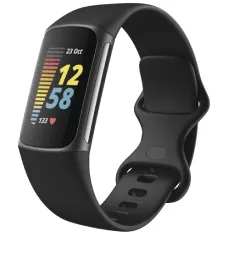
5. Fitbit Charge 6
★★★★★ 1.6
✓ Onboard ECG & SpO2
✓ Compact, lightweight band
✓ Built-in GPS + swimproof
✗ Privacy concerns after google acquisition
✗ Sleep score & readiness behind £9.99/mo Premium
✗ Real battery only 2–5 days
✗ No blood pressure monitoring
✗ GPS was hit or miss
✗ Data loss in google migration
5. Fitbit Charge 6
OUR SCORE 5.9/10
★★★★★ 1.6
✓ Onboard ECG & SpO2
✓ Compact, lightweight band
✓ Built-in GPS + swimproof
✗ Privacy concerns after google acquisition
✗ Sleep score & readiness behind £9.99/mo Premium
✗ Real battery only 2–5 days
✗ No blood pressure monitoring
✗ GPS was hit or miss
✗ Data loss in google migration
VISIT AMAZON
£79.99 £139.99
2-3 Day Prime Delivery
Why We Picked The HLTH Band As The Winner?
(Image credit: Marcus Pendleton / TechUnboxed)
The HLTH Band stands out for its simplicity and serious health credentials. It consistently matched devices costing three to five times more, and its Multi-Wavelength PPG sensor, a step up from the single-wavelength sensors in most budget bands, delivers continuous readings of blood pressure, heart rate, HRV, and resting heart rate around the clock.
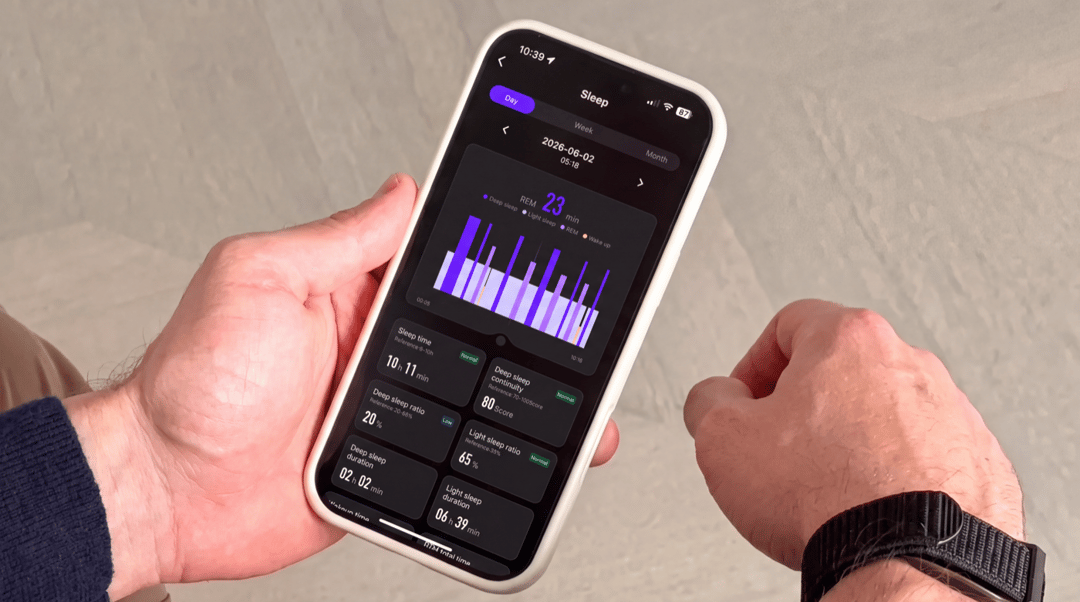
It's one of the only bands on the market offering blood pressure readings without a subscription, the kind of long-term picture you can actually take to your doctor, free, every single day. And it tracks full sleep stages across a confirmed 30-day battery life, 30 nights of uninterrupted sleep data that the Apple Watch, Fitbit, and Garmin simply can't match with their nightly charging.
Normally, this level of monitoring comes locked behind a £229-per-year membership or a smartwatch that dies every night. The HLTH Band is the exception. At £79, it's the most capable screen-free health tracker we tested, serious health data in a device light enough to forget you're wearing.
We Expected It To Crack Under Testing. It Didn't.
(Image credit: Marcus Pendleton / TechUnboxed)
When we unboxed the HLTH Band, the first thing we noticed was the weight. At 18 grams, it sits on your wrist like a rubber bracelet. After a week switching between the Apple Watch and Garmin, putting it back on felt like taking a weight off.
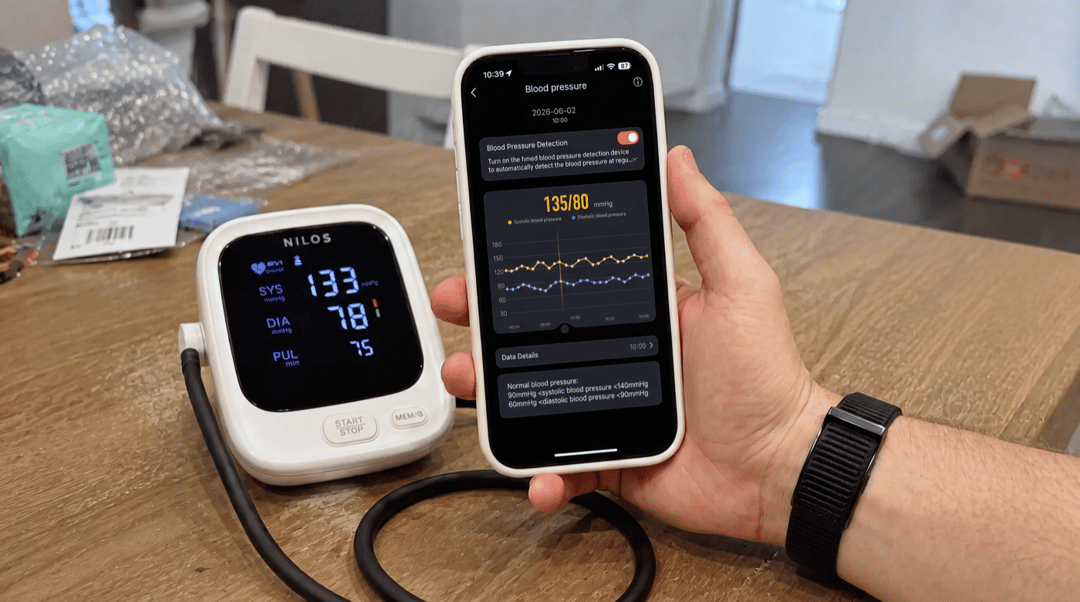
But comfort means nothing without accuracy, so we tested the claim that matters most: blood pressure. Every cardiologist we consulted agreed that a single spot reading tells you almost nothing, because blood pressure moves constantly with stress, movement, food, and sleep. Only an extended trend provides a real signal. So we ran a comparison against a medical-grade cuff under resting conditions, and the HLTH Band came within the recommended ±10 mmHg, consistently, across multiple sessions.
That matters because a cuff catches one moment. The HLTH Band reads all day, while you work, sleep, and recover, and that continuous picture shows you patterns a single reading never can. No other device in our test offered continuous blood pressure monitoring at any price, except Whoop, locked behind their £349-per-year tier.
I Didn't Expect To Still Be Wearing It 30 Days Later

(Image credit: Marcus Pendleton / TechUnboxed)
I'll be honest. When we started this test, I assumed the HLTH Band would be the first device I put back in the box. A new company, a £79 price tag, no screen, no brand name anyone would recognise at a dinner party. Every instinct said this underdog would quietly disappoint.
But thirty days later it's still on my wrist. I wore it through back-to-back work weeks, flights, gym sessions, and holidays full of bad sleep, without it ever needing a charge. Sleep stages explained why some mornings felt broken despite eight hours in bed, blood pressure trends helped explain my daily brain fog, and trustworthy heart rate averages let me finally spot the changes I needed to make.
What I learned is simple. The device that actually helps your health isn't always the most expensive one. It's the one you'll keep wearing long enough to get the data. And as a 47-year-old trying to understand whether my body is aging well or aging fast, this is the first tracker that actually helped.
The App Actually Won Me Over
(Image credit: Marcus Pendleton / TechUnboxed)
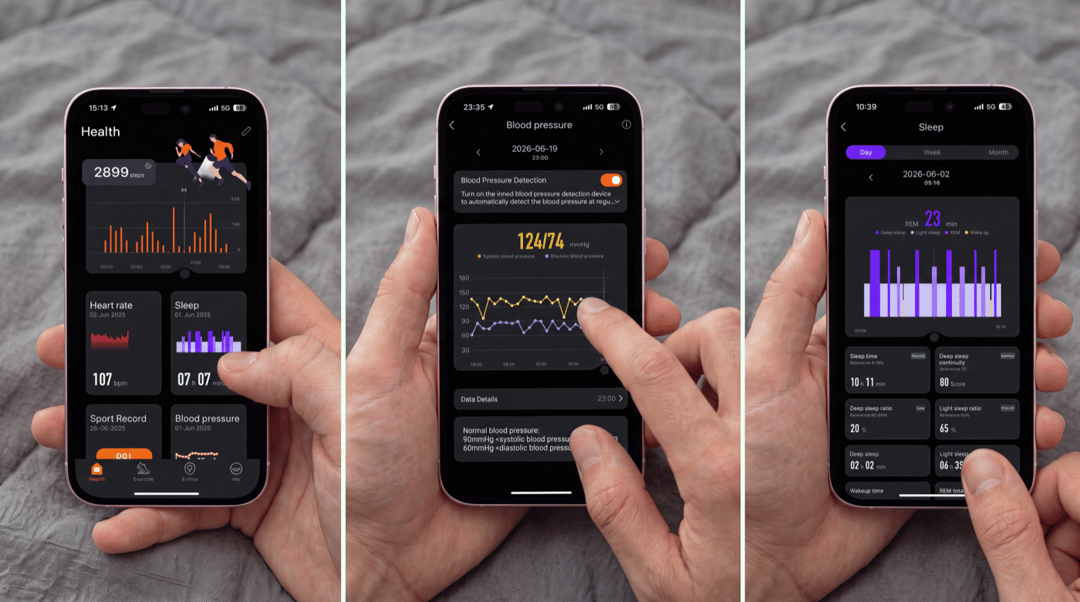
HLTH took a different route than most of the big brands here. Instead of making the app look as cool and complicated as possible, the app that powers the HLTH Band is built to be extremely easy to read and understand. Open it and you get one clean daily view. Heart rate, blood pressure trend, sleep, and stress, all on one screen, in plain English. Tap any metric and you're there. No wall of graphs, no digging through menus.
That sounds like a small thing until you've lived with the alternatives. The real value shows up after a few weeks, when the app turns months of readings into simple trend lines anyone can follow, so you can see how your sleep, stress, and blood pressure move together over time. You don't need to be an athlete or a data nerd to know exactly where you stand.
The Bicep Strap Is A Great Addition
(Image credit: Marcus Pendleton / TechUnboxed)
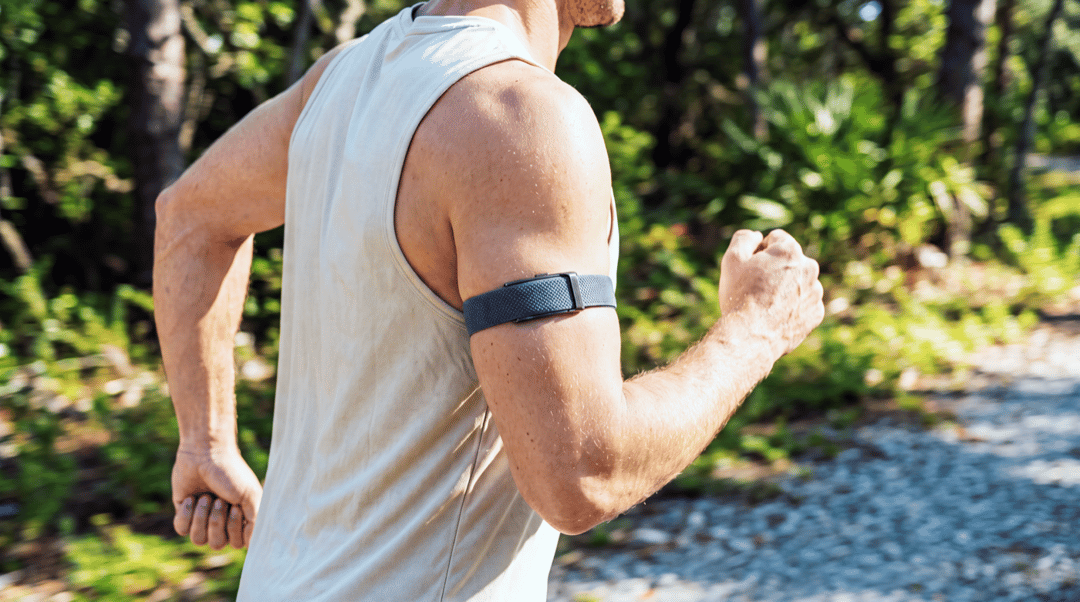
Here's a simple rule about wrist wearables that the big brands don't talk about much: the less the sensor moves, the more accurate your readings are. Your wrist is the busiest joint you have. It twists, flexes, and swings with every step, and all that movement is noise the sensor has to fight through.
Your bicep barely moves by comparison. That's what makes the bicep strap such a smart addition to the HLTH Band. Clip the same band to your upper arm for a run or a workout and it sits steady against the muscle, which means steadier readings when your body is working hardest. We wore it on the wrist day to day and switched to the bicep for training, and it's the setup we'd recommend.
How Much Is This Actually Going To Cost You?
(Video credit: Marcus Pendleton / TechUnboxed)
That depends entirely on which device you choose, and it's worth doing the maths.
Device
Year 1
Year 2
2-Year Total
Subscription
Whoop 5.0 Peak
£229
£229
£458
Mandatory
Apple Watch SE 3
£219
£0
£219
No
Fitbit Charge 6
£260
£120
£380
Optional
Garmin Vivoactive 6
£250
£0
£250
No
HLTH Band
£79
£0
£79
No
Update: The £79 price is a launch sale price, down from £158. We last checked at the beginning of July 2026 and the discount was still live. HLTH makes the band in small batches and earlier batches have sold out, so click below to check current availability before this one goes.
While it's the least expensive device we tested, nothing about its performance felt cheap. The data it delivered over 30 days made every device above it feel like an overcomplicated answer to a simple question. And every HLTH Band comes with a 30-day money-back guarantee, so there's no risk in finding out for yourself.
What HLTH Band customers are saying?
Before you take our word for it, here's one of the best ways to check whether any product is actually good: its Trustpilot page. Reviews there are very hard for a company to game. Trustpilot runs automatic fraud detection, verifies reviewers, flags suspicious patterns, and openly penalises firms caught manipulating their scores. A rating built from real buyers is a signal no ad campaign can buy.
Rated 4.5 / 5 based on +80 reviews. Showing 5 star reviews.
★★★★★
✓ Verified
Matches my pricier band
Sleep and HRV data line up with my old band that cost three times as much. Battery really does last weeks.
Verified buyer
★★★★★
✓ Verified
Better than anything else
The HLTH band is fantastic. Simple pairing and so many things it can do, better than anything on the market.
Matt
★★★★★
✓ Verified
No monthly fees
Does everything the big brands do without the price tag or the monthly fees.
Verified buyer
★★★★★
✓ Verified
I forget it's on
So light I forget it's on. Finally a tracker I actually keep wearing.
Verified buyer
★★★★★
✓ Verified
Easy setup
Set up in minutes and the app is clean and easy to read.
Verified buyer
★★★★★
✓ Verified
Really helpful team
Had a quick question and support replied within the hour. Really helpful team.
J. Porras, 5 days ago
★★★★★
✓ Verified
Arrived next day
Ordered in the evening and it arrived the next day. Packaging was lovely too.
Verified buyer
★★★★★
✓ Verified
Everyday essential
A practical tracker for everyday use. Monitors heart rate, sleep, stress, HRV and blood oxygen. Highly recommend.
Joanna
★★★★★
✓ Verified
Everything included
Love that everything is included. Simple, discreet and comfortable to wear day and night.
Verified buyer
Read through enough of them and the same things keep coming up. People love how light the band is, that the battery genuinely lasts weeks instead of days, and that their heart rate, blood pressure trend, and sleep all live in one simple app. The other theme is money: no subscription, no locked features, nothing to pay after the £79. Several buyers mention it matches wearables that cost them three times as much.
LAUNCH SALE
Rated Excellent (4.5) on

UP TO 50% OFF FOR
A LIMITED TIME
ONLY!
A LIMITED TIME
ONLY!
With 30 day risk-free trial, you have nothing to lose.
Sell-Out Risk: High | FREE shipping
Try it today with a 30-Day Money Back Guarantee!
DISCLAIMER
This product is a general wellness and fitness device. It is not a medical device and is not intended to diagnose, treat, cure, or prevent any disease or health condition, including any heart condition. Its readings (including heart rate, heart rate variability, blood pressure, and blood oxygen) are estimates for general wellness purposes only, are not clinically validated, and should not be relied upon for any medical decision. Do not use this device to detect, monitor, or manage any medical condition. It is not a substitute for professional medical advice, examination, diagnosis, or treatment, or for medical-grade monitoring equipment. Always consult a qualified physician or healthcare provider with any questions about your health, before making health decisions, and if you experience symptoms such as chest pain, shortness of breath, or dizziness — seek emergency care immediately. Individual results may vary.